

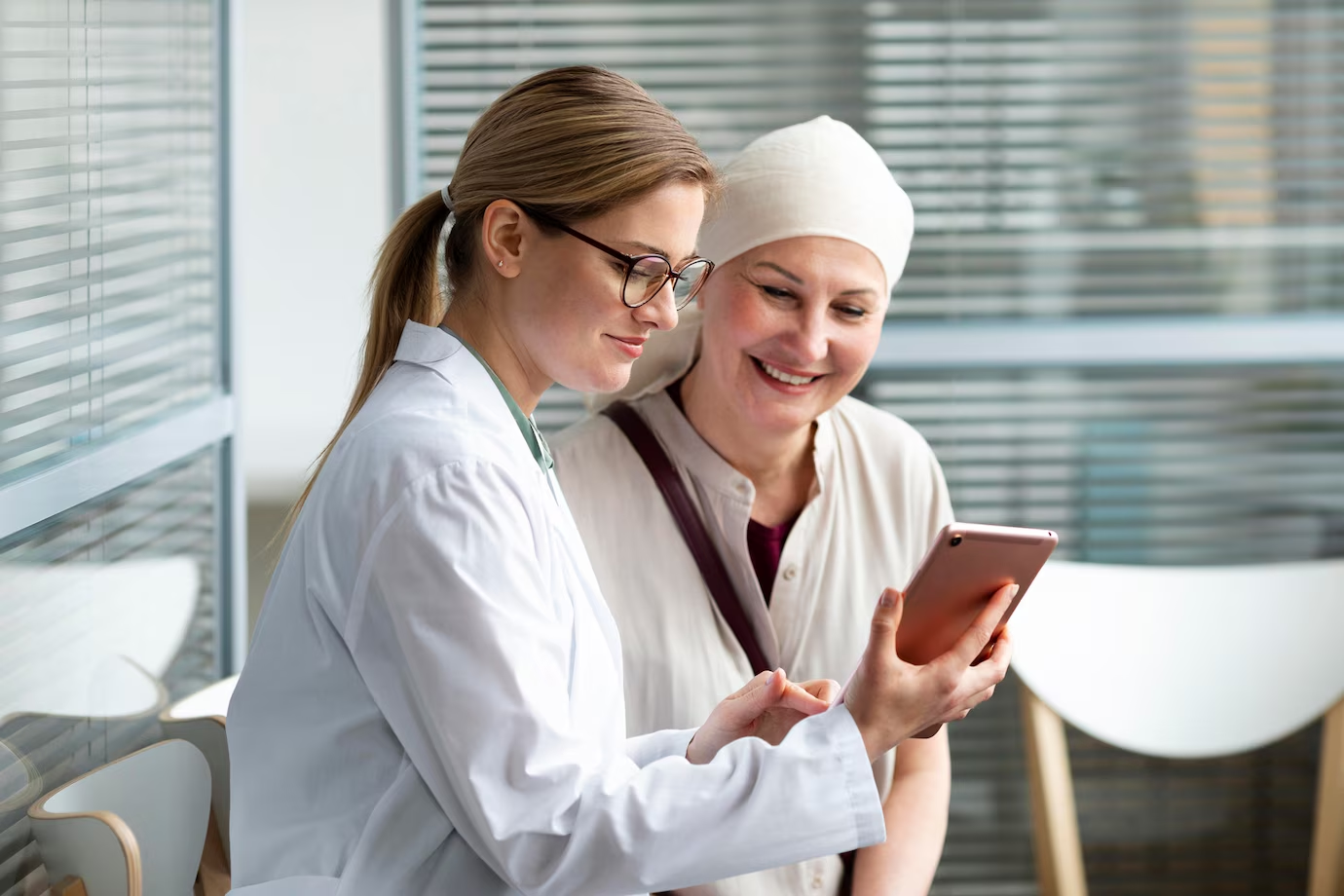
Cancer is one of the most complex and challenging diseases of our time, affecting millions of people worldwide. It occurs when abnormal cells grow uncontrollably, invade surrounding tissues, and may spread to other parts of the body. Understanding the underlying causes is essential for effective care. At our clinic, we provide comprehensive cancer treatment by combining conventional and integrative approaches to support better outcomes and overall well-being by minimizing side effects from chemotherapy and radiation theraphy and improving quality of life.
The origins of cancer are multifaceted, involving both genetic and environmental factors. Several key contributors create an environment conducive to cancer growth:
Modern oncology has made remarkable advancements, particularly in molecular and genetic research. However, its heavy reliance on reductionistic approaches—focusing narrowly on isolated molecular targets—often overlooks the broader systemic context in which cancer arises. While surgery, chemotherapy, and radiation therapy remain vital in the fight against cancer, they sometimes fail to address the root causes of the disease or prevent recurrence.
Conventional treatments can also come with significant side effects, including immune suppression, organ damage, and debilitating fatigue. By focusing on destroying cancer cells alone, modern oncology often neglects the need to rebuild the body’s overall health and resilience.
Integrative oncology bridges the gap between conventional and holistic approaches, supporting patients not only in fighting cancer but also in restoring their quality of life. This comprehensive approach focuses on addressing the root causes of cancer while alleviating the side effects of traditional treatments. Key elements include:
Therapies such as oxygenation and ozone therapy can create an inhospitable environment for cancer cells while improving cellular metabolism and energy production.
Chronic inflammation is a known driver of cancer. Anti-inflammatory approaches, including ozone therapy, dietary changes, supplementation, and stress management, can reduce the body’s inflammatory load.
Strengthening the immune system is vital for recognizing and attacking cancer cells. This can be achieved through immune-boosting therapies, such as mistletoe, medicinal mushrooms, vitamin D supplementation, and lifestyle modifications.
Heavy metals and other carcinogenic toxins can accumulate in the body, contributing to cancer growth. Detoxification strategies, including chelation therapy and liver support, help eliminate these harmful substances.
Proper nutrition is foundational in integrative oncology. Antioxidants such as vitamin C, glutathione, and polyphenols combat free radicals and support cellular health.
Some drugs, originally developed for other conditions, show promise in targeting cancer cells or supporting overall health. These therapies are carefully integrated into personalized treatment plans.
Integrative oncology empowers patients to take an active role in their health, focusing on healing the whole person—mind, body, and spirit. By addressing the root causes of cancer and supporting the body’s natural defenses, it provides a path toward better outcomes and improved quality of life. Together with traditional treatments, this comprehensive approach offers hope and healing for those facing cancer and related conditions.
For more information on how integrative oncology can support you or your loved ones, contact us today. Let’s work together to create a personalized approach to health and wellness.